
Slab Leak Warning Signs in Inland Empire Homes
The most reliable warning signs of an under-slab plumbing leak in Inland Empire slab-on-grade homes include unexplained warm or hot spots on tile, wood, or carpeted floors; the continuous sound of running or hissing water when all taps are closed; an unexpected spike in municipal water bills; damp baseboards along interior walls; and low water pressure across hot water fixtures.

Guide Table of Contents
- 1.Why Inland Empire Homes Are Prone to Under-Slab Leaks
- 2.The 5 Critical Warning Signs of a Slab Leak
- 3.The DIY Water Meter Test: Confirming a Hidden Leak
- 4.Diagnostic Methods: Acoustic Listening vs. Thermal Imaging
- 5.Spot Repair vs. Overhead Reroute: Comparing Options
- 6.How Concealed Slab Leaks Impact Foundation Soil and Air Quality
Why Inland Empire Homes Are Prone to Under-Slab Leaks
Tens of thousands of single-family homes built between 1970 and 2005 across Ontario, Rancho Cucamonga, Chino, and Fontana were constructed using slab-on-grade concrete foundations. During original construction, plumbers ran continuous Type M or Type L copper water tubing directly across gravel sub-bases before pouring concrete foundations over the pipes.
Over several decades, two primary forces cause these copper lines to fail: internal pitting corrosion caused by turbulent, mineral-rich municipal groundwater (water hardness averaging 140–210 ppm CaCO₃), and physical friction caused by expansive clay soils expanding and contracting beneath the foundation.
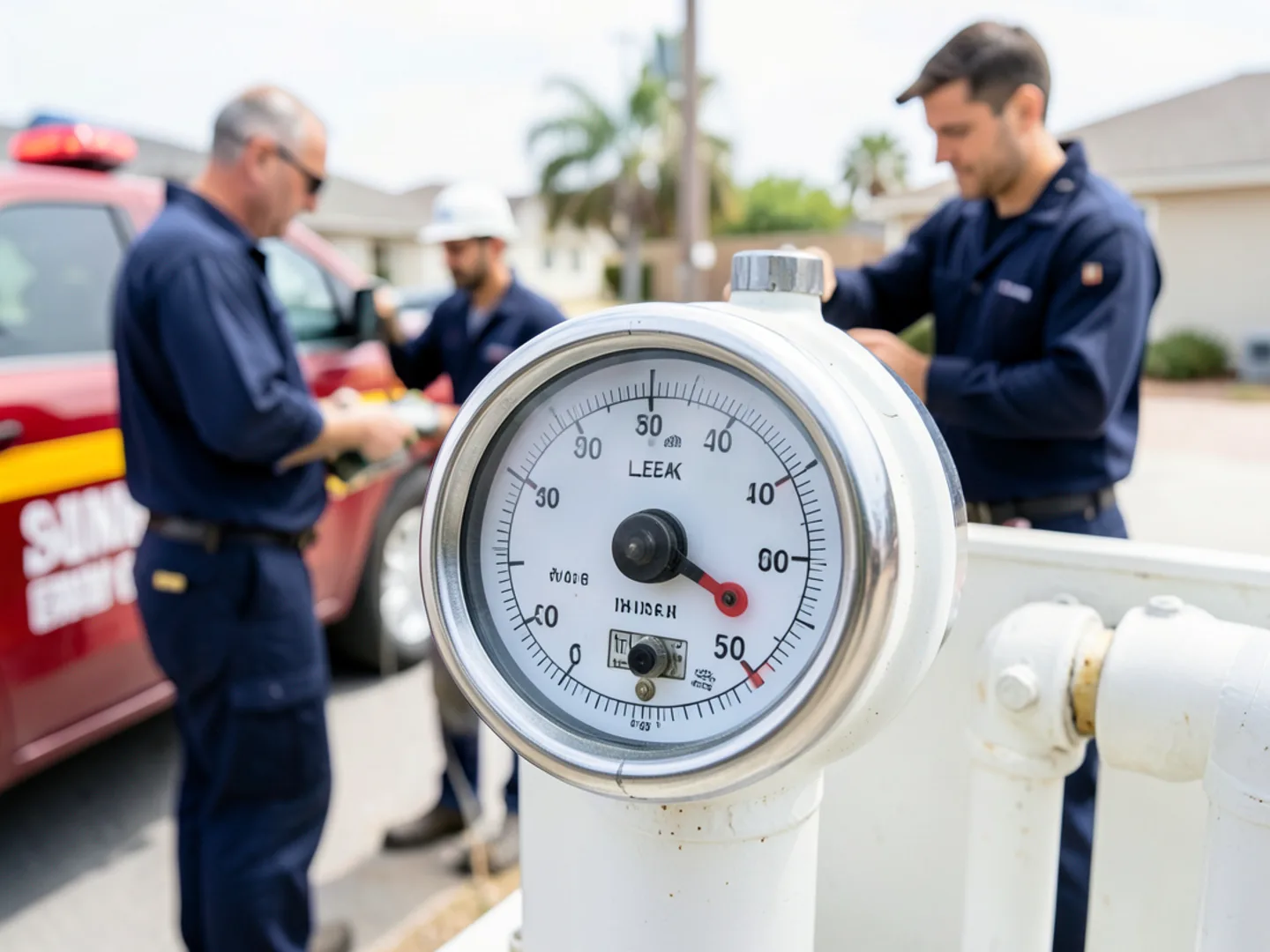
Experiencing This Plumbing Issue Right Now?
Call our 24/7 Ontario dispatch line at (321) 559-0657 for prompt connection.
The 5 Critical Warning Signs of a Slab Leak
Recognizing an under-slab leak early prevents extensive structural settlement and thousands of dollars in secondary flooring damage. Watch for these five hallmark indicators:
- Unexplained Warm Floor Spots: Hot water supply line pinholes radiate heat upward through concrete, creating noticeable warm patches on linoleum, hardwood, or tile floors.
- Audible Hissing or Rushing Water: Hearing faint water sounds inside bathroom or hallway walls late at night when every faucet and appliance is idle.
- Sudden Surge in Water Bills: Municipal billing cycles that show sharp increases in hundreds or thousands of gallons without changes in family usage.
- Dampness, Warped Baseboards, or Mold: Moisture wicking upward through concrete pores into bottom plate framing, creating musty odors and warped baseboard trim.
- Decreased Hot Water Duration: Water heaters constantly expending energy heating replacement water that immediately escapes into subterranean gravel.
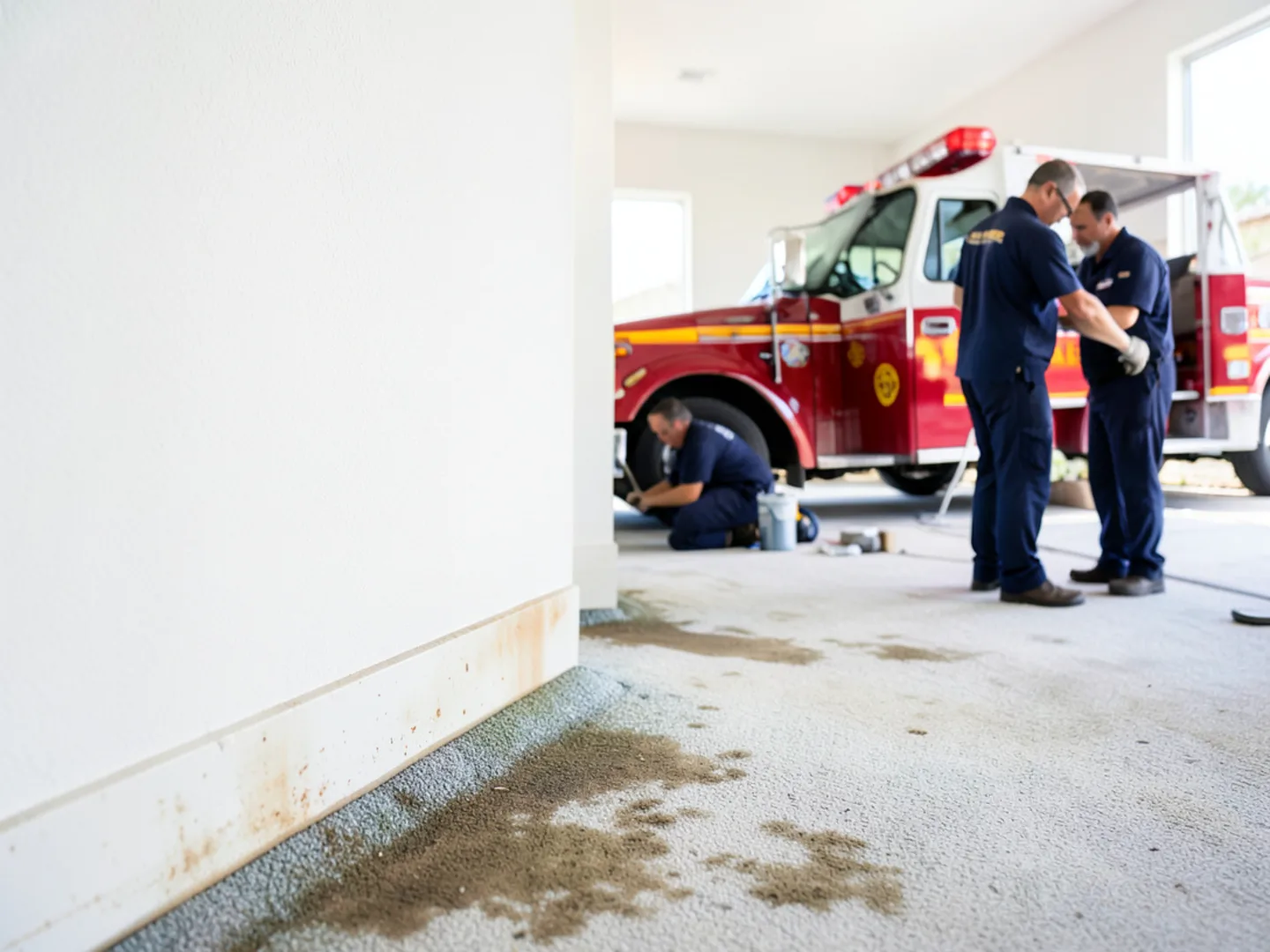
The DIY Water Meter Test: Confirming a Hidden Leak
You can verify whether your home has a pressurized water leak within ten minutes using your municipal water meter.
Ensure that all faucets, showers, washing machines, and automatic lawn irrigation systems are completely turned off. Walk to your water meter box at the street curb and open the lid.
Look at the meter register dial. Modern meters feature a small triangular or star-shaped low-flow indicator dial (often red or blue). If all household valves are shut and this indicator is rotating—even slowly—water is actively escaping from your pressurized plumbing network.

Diagnostic Methods: Acoustic Listening vs. Thermal Imaging
Professional leak detection specialists utilize specialized non-invasive technology to pinpoint under-slab breaches without randomly breaking concrete floors.
Acoustic ground microphones amplify the high-frequency sound of pressurized water escaping through copper micro-fractures, allowing technicians to locate the leak within a 12-inch radius. Thermal imaging cameras detect the temperature footprint of hot water pooling beneath concrete, mapping the exact subterranean pipe route.
Spot Repair vs. Overhead Reroute: Comparing Options
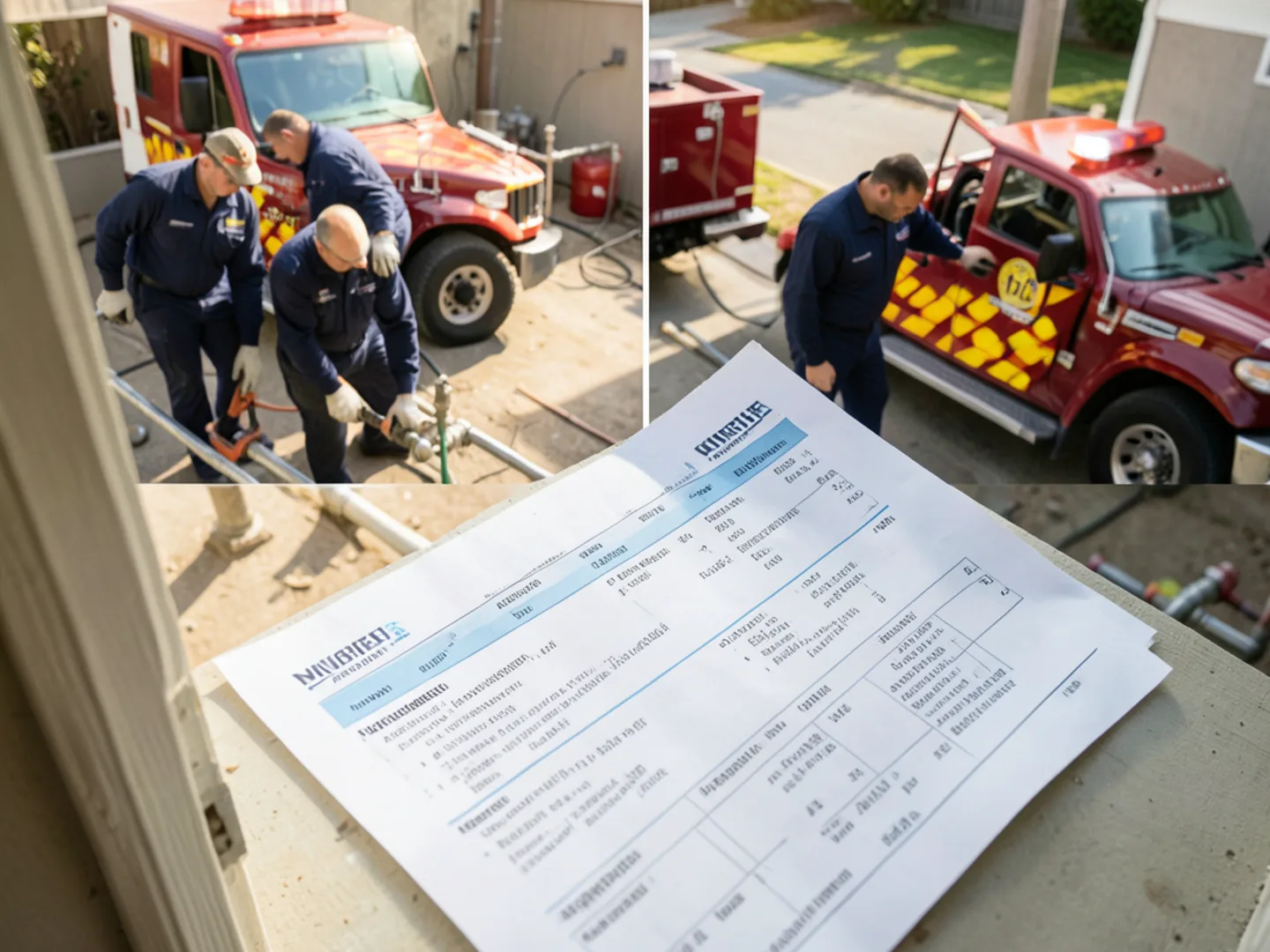
Once a slab leak is isolated, property owners face a critical decision: jackhammering through the floor for a localized spot patch, or performing an overhead PEX reroute.
| Repair Method | Disruption Level | Longevity | Best Use Case |
|---|---|---|---|
| Direct Slab Spot Patch | High (jackhammers, dust, floor demolition) | Low (adjacent aged copper remains vulnerable) | Newer homes (<10 yrs) with isolated physical damage |
| Overhead PEX Reroute | Low (attic access, minimal drywall openings) | High (permanent bypass of underground line) | Homes >20 years old with aging under-slab copper |
| Whole-Home Repipe | Moderate (whole-house attic PEX replacement) | Highest (eliminates all subterranean risks) | Homes with multiple previous slab leak failures |
How Concealed Slab Leaks Impact Foundation Soil and Air Quality
Beyond wasted water, prolonged under-slab saturation destabilizes the compacted bedding gravel beneath concrete foundations. In cities like Chino, Ontario, and Fontana with expansive clay soils, moisture causes localized ground swelling that heaves floor slabs upward, jamming interior doors and cracking ceramic tiles.
Additionally, damp concrete acts like a sponge, drawing water into bottom wall plates and drywall cavities through capillary action. This persistent moisture creates ideal conditions for toxic mold colonies inside wall cavities, degrading indoor air quality before surface discoloration is even noticeable.
Related Services & Communities We Serve
Sources, Research & Regulatory References
Our guides ground technical and pricing recommendations in verified state building codes, water utility quality reports, and federal safety standards.
- •Geology and Hydrology of the Inland Empire Basin — United States Geological Survey (USGS)[View Source]
- •
- •
Frequently Asked Questions
Yes. Left unaddressed, hundreds of gallons of pressurized water escaping daily can erode soil and gravel beneath the foundation slab. In the expansive clay soils common across Chino and Ontario, water accumulation causes soil swelling that can heave, shift, or crack concrete foundations.
Questions About Your Home Plumbing in Ontario, CA?
Call our 24/7 dispatch line at (321) 559-0657. Get connected with independent local specialists for honest advice and written estimates.