Common Symptoms & Local Failure Causes in Ontario
Plumbing failures in Ontario and the Inland Empire are frequently triggered by regional environmental factors: mineral-dense tap water (averaging 138–180 ppm CaCO₃), slab-on-grade concrete foundations, and expansive clay soils that shift between wet winter rains and hot summer droughts.
- Water violently spraying from pressurized supply lines, angle stops, or appliance hoses
- Raw sewage backing up into multiple bathtubs, showers, or floor drains simultaneously
- Uncontrolled water pooling on ceilings, drywall, or through light fixtures
- Loud continuous rushing or hissing water sounds inside walls when all taps are closed
- Sudden complete loss of water pressure accompanied by spinning water meter indicators
- Unexplained hot or warm spots on tile, laminate, or concrete slab floors
- High municipal water pressure surges exceeding residential plumbing thresholds
- Internal pitting and pinhole failure in aging under-slab copper tubing caused by mineral-rich water
- Thermal expansion stress during Santa Ana wind conditions and seasonal temperature swings
- Severe tree root invasion fracturing older vitrified clay sewer laterals
- Deteriorated rubber gaskets or corroded brass fittings giving way under continuous pressure
- Excessive calcium carbonate scale deposits restricting flow and overheating water heater tanks
What to Do in the First 30 Minutes
Taking the correct immediate actions stops spreading water and safeguards your family from electrical and sewage hazards before a contractor arrives on site:
Evacuate Hazard Areas
Immediately move family members and pets away from standing water, active sewer backups, wet electrical outlets, and water-heavy ceilings.
Isolate the Fixture Valve
If the leak originates from an isolated toilet, under-sink supply line, washing machine, or water heater, turn its dedicated brass angle stop clockwise to close it.
Shut Off the Main Domestic Supply
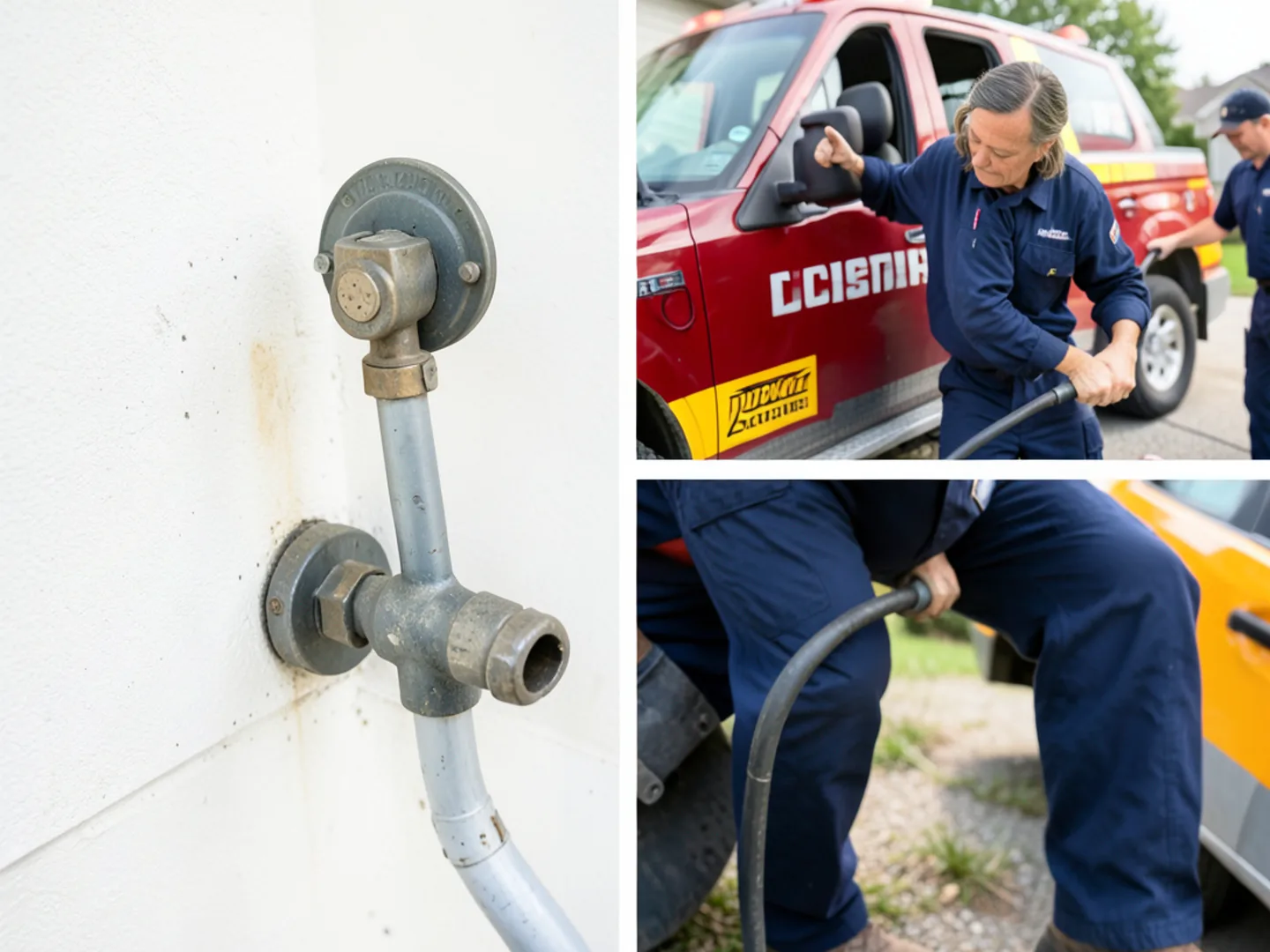
If water continues flowing or the pipe break is inside a wall or slab, close the main domestic shutoff valve. In Ontario slab homes, this valve is typically located on an exterior wall near the front hose bib or inside the curbside concrete meter box.
Call 24/7 Ontario Dispatch
Call our dispatch line at (321) 559-0657. Report the leak location, estimated water volume, whether electrical or gas lines are exposed, and your nearest major intersection.
Keep Water Closed Until Pressure Tested
Keep the domestic supply line off until the arriving plumbing contractor completes diagnostic line inspection and pressure decay testing.
Preserving Photo & Video Evidence for Insurance
- Capture wide-angle photographs and video footage showing the room layout, water travel path, and soaked baseboards before moving damaged items.
- Take clear, close-up photographs of failed fittings, cracked angle stop valves, punctured copper pipe, or leaking water heater valves.
- Photograph serial plates, manufacturer data tags, and model numbers on flooded water heaters, furnaces, and major appliances.
- Record water meter dials to verify whether continuous unmetered flow or pressure decay is occurring while fixtures remain shut.
- Maintain a written timeline recording when the leak was discovered, when the shutoff was performed, and which personal belongings were relocated.
- Retain all receipts for emergency supplies, tarps, wet vacuums, extraction fans, or temporary lodging for insurance documentation.
Emergency Causes and the Safest First Response
Compare visible warning signs with the safest immediate containment actions before professional diagnosis takes place:
| Emergency Cause | Warning Signs | Immediate Safe Action | Likely Damage | Professional Next Step |
|---|---|---|---|---|
| Burst Supply Pipe | Pressurized water spraying from wall cavities or ceilings; rapid ceiling drywall sagging; spinning water meter. | Close the nearest fixture valve or main water shutoff valve immediately; isolate electrical breakers if safely dry. | Flooring saturation, drywall rot, ceiling collapse, subfloor mold colonization. | Electronic acoustic leak tracing, pipe section cutout, replacement with Type L copper or PEX-A, followed by pressure testing. |
| Sewer Line Backup | Dark wastewater backing up into bathtubs or floor drains; gurgling toilet bowls; strong sulfur sewer gas odors. | Cease all domestic water usage immediately; keep occupants and pets clear of contaminated surfaces. | Bacterial contamination of floors, porous baseboard absorption, structural drywall water damage. | Main cleanout access, diagnostic sewer camera inspection, heavy-duty rooter cable clearing or hydro-jetting. |
| Under-Slab Foundation Leak | Unexplained warm floor sections on tile or laminate; hissing water sounds inside walls; sudden spikes in monthly water bills. | Shut off the main water supply if meter shows continuous movement; do not break concrete before diagnosis. | Foundation soil erosion, concrete foundation cracking, flooring buckling, sub-slab moisture intrusion. | Ultrasonic acoustic leak detection, line isolation testing, direct concrete penetration or overhead PEX bypass reroute. |
| Water Heater Rupture | Water pooling around heater base or garage floor; complete loss of domestic hot water; hissing or popping tank sounds. | Shut off cold water inlet valve; switch off circuit breaker (electric) or rotate gas control valve to PILOT (gas). | Garage or utility closet flooding, drywall saturation, water heater stand and platform rot. | Physical tank integrity assessment, repair vs. replacement evaluation, seismic strapping verification, City of Ontario permit acquisition. |
| Hard-Water Mineral Scale | Severely restricted fixture flow; knocking sounds in water heater tank; recurring clogs from mineral flake buildup. | Limit fixture usage if secondary backup develops; avoid harsh chemical drain opening compounds. | Premature water heater tank failure, calcified valve seizure, pinhole corrosion in supply fittings. | System pressure evaluation, water heater tank sediment flush, sacrificial anode rod replacement, filtration assessment. |
What the Contractor Inspects on Arrival
Before recommending pipe replacements or structural alterations, an independent plumbing contractor performs a multi-point diagnostic evaluation using calibrated trade instruments:
Step 1Immediate Scene Safety Assessment
The arriving contractor first verifies that water has not compromised electrical outlets, breaker panels, or structural ceiling drywall before entering work areas.
Step 2Pressurized Line Isolation
The pro locates the primary isolation valve or curbside municipal meter shutoff to halt pressurized water flow and prevent compounding property damage.
Step 3Source Point Tracing & Diagnostic Testing
Using visual inspection, pressure gauges, and electronic acoustic equipment, the technician pinpoints the exact point of line rupture, slab leak, or sewer blockage.
Step 4Damage & Containment Documentation
The technician documents affected rooms, structural materials, and equipment serial numbers to assist the property owner with insurer records.
Step 5Scope Presentation & Itemized Quote
Before performing non-emergency permanent work, the contractor presents a transparent written quote detailing parts, labor, diagnostic fees, and permit requirements.
Step 6Pressure & Flow Verification
Following mechanical repair, the contractor conducts a complete hydrostatic pressure test to confirm that domestic supply lines hold full pressure without decay.
Repair Methods & Practical Trade-Offs
Depending on whether your Ontario home has slab-on-grade flooring, historic lath-and-plaster walls, or mature landscaping, contractors evaluate distinct mechanical approaches:
Mechanical Crimp / Compression Clamp
Temporary mechanical sleeve placed over leaking pipe section to restore partial water while scheduling permanent repairs.
Direct Pipe Section Cut & Braze / Press
Cutting away damaged copper or galvanized section and soldering or press-fitting a new Type L copper or PEX-A replacement spool.
Overhead Bypass Reroute
Abandoning inaccessible leaking line beneath concrete slab and routing a new PEX supply line overhead through attic or joists.
Trenchless Epoxy Pipe Relining
Inserting an epoxy-saturated sleeve into damaged sewer laterals to cure a structural pipe-within-a-pipe without digging up driveways.
Emergency Plumbing Services Handled Across Ontario
Our 24/7 Ontario dispatch line routes calls for immediate containment and physical repair across these primary plumbing emergency categories:
Burst & Ruptured Supply Lines
Rapid isolation and repair of ruptured copper, PEX, CPVC, and galvanized water supply lines, angle stop valves, and appliance connections.
Slab Leak Detection & Bypass Rerouting
Non-destructive acoustic listening equipment and pressure decay testing to pinpoint hidden leaks under concrete foundations, followed by direct repair or overhead PEX reroute options.
Emergency Drain Cleaning & Rooter Work
Mechanical snaking, cleanout diagnosis, and hydro-jetting to clear severe clogs, toilet overflows, and kitchen waste line blockages.
Sewer Lateral Repair & Camera Diagnosis
High-definition video camera inspections to locate tree root intrusion, offset clay joints, and structural pipe collapses in Ontario sewer laterals.
Water Heater Repair & Emergency Replacement
Diagnostic triage for leaking tanks, failed temperature and pressure relief valves, burned heating elements, and code-compliant emergency changeouts.
Toilet Overflow & Angle Stop Intervention
Immediate shutoff, wax ring replacement, and waste line clearing for overflowing residential and commercial toilets.
Water Damage Containment Coordination
Emergency containment and documentation protocol coordination with professional structural drying and water restoration specialists.
Need Emergency Plumbing Advice in Ontario, CA?
Call our dispatch line now. Free to call, no obligation, 24/7 service.
Step-by-Step Service Delivery Process
When you initiate a service call through AVS Plumbing, independent contractors follow a consistent, accountable workflow:
Emergency Call Triage
You call our 24/7 dispatch line at (321) 559-0657. Our coordinator gathers property location details, verifies active shutoff status, and alerts an independent contractor.
Pre-Arrival Safety Instructions
While the pro is en route, we provide clear instructions on locating your main water valve, avoiding wet electrical switches, and safely photographing the leak area.
On-Site Physical Diagnosis
The independent technician arrives, inspects the failure, stops active water flow, and performs necessary pressure decay testing to confirm total line integrity.
Written Quote & Approval
You receive an itemized written estimate specifying diagnostic fees, replacement parts, labor hours, and local permit requirements. Work begins only upon your sign-off.
Execution, Pressure Test & Cleanup
The contractor completes the authorized repair, conducts a full-pressure water test, checks for leaks, cleans the work area, and provides written warranty paperwork.
Ontario Emergency Pricing & Itemized Estimates
Understanding realistic regional price benchmarks helps homeowners evaluate after-hours service without price panic. Final costs are established through a written, itemized estimate presented on site following physical diagnosis:
| Service Category | Regional Benchmark Range | Scope & Dispatch Details |
|---|---|---|
| Emergency Dispatch Callout Fee | $225 – $600 | Published regional benchmark for immediate emergency dispatch. Varies by time of day, weekend, and holiday timing. Covers trip and initial physical assessment. |
| After-Hours Emergency Labor | $100 – $680 / hour | Regional Southern California emergency labor rates, reflecting 1.5x to 3x standard daytime rates for unscheduled after-hours and weekend deployment. |
| Standard Minor Daytime Repair | $150 – $450 | Benchmark for standard daytime non-emergency repairs such as accessible fixture valves, basic trap clearing, or cartridge replacement. |
| Water Heater Replacement (Tank) | $1,200 – $3,500 | Published Ontario estimates including equipment, standard labor, seismic strapping, and City of Ontario permit fees. Modeled regional average is approximately $2,100. |
| Tankless Water Heater Retrofit | $1,500 – $2,800 | Equipment and installation labor for high-efficiency tankless gas units, excluding specialized gas line upsizing or exterior venting alterations. |
City of Ontario Building Department Permit Fee Examples
*Fee figures reflect published municipal fee schedules. Exact fees are calculated by the City of Ontario Building Department upon plan intake.
Insurance Documentation & Water Damage Protocols
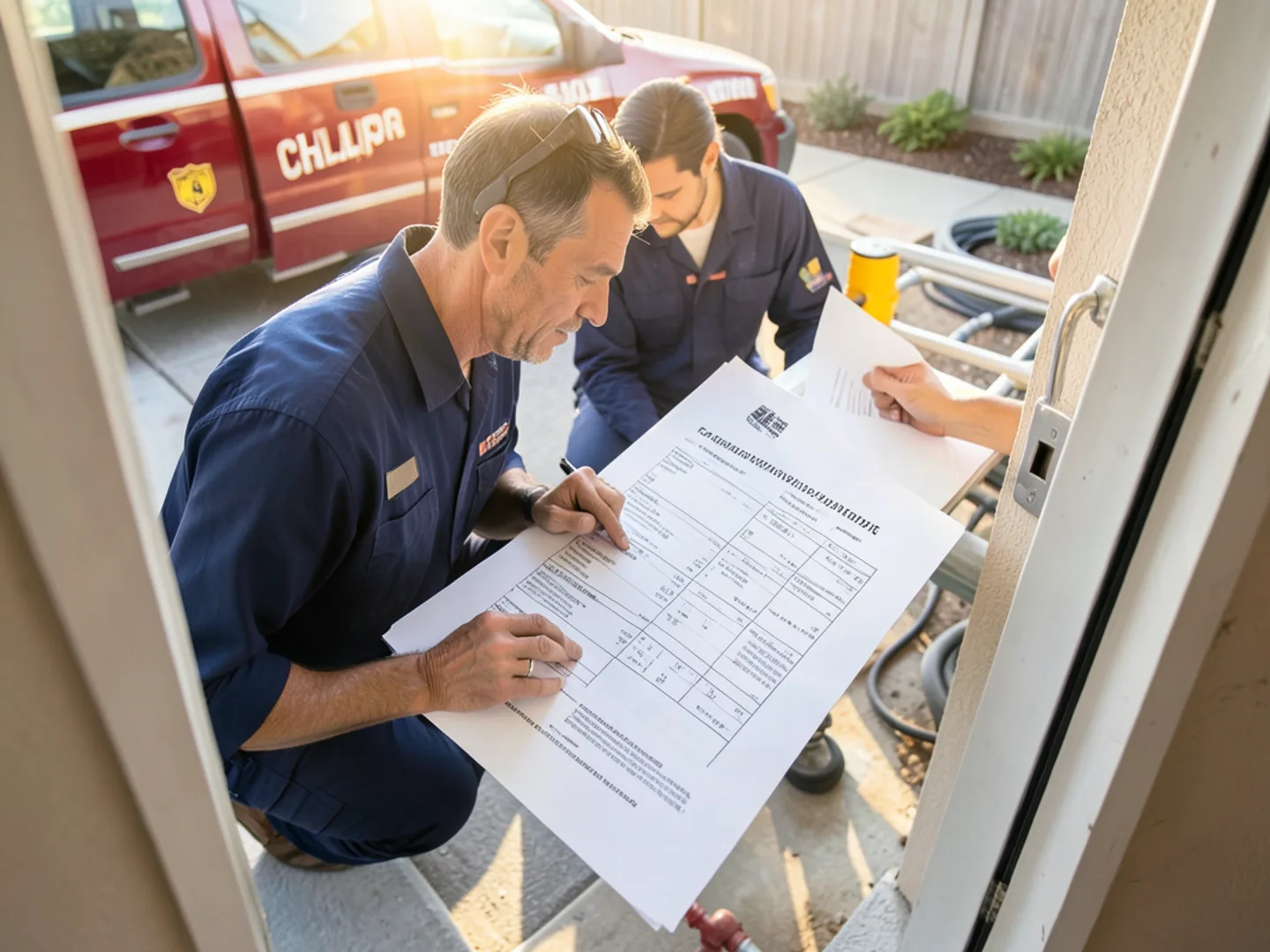
When a sudden plumbing failure causes property flooding, establishing a verifiable timeline and detailed physical evidence is essential for homeowners insurance claim processing. Federal EPA standards emphasize that wet building materials must be dried within 24 to 48 hours to minimize toxic mold growth.
Photograph the active leak source, surrounding floor surfaces, soaked baseboards, and water lines on drywall before cleanup begins.
Record video footage of active water flow, dripping ceiling drywall, or spinning water meter indicators when safely accessible.
Retain damaged pipe sections, failed pressure relief valves, and burst supply fittings for insurance adjuster inspection.
Keep a meticulous record of all emergency phone calls, dispatch timestamps, contractor invoices, and equipment receipts.
Critical Questions for Your Insurance Adjuster:
- Does my policy provide coverage for the physical plumbing repair itself, or strictly the resulting water damage to floors and drywall?
- Does the policy include 'tear-out' coverage to access concealed pipes behind finished drywall or under concrete slab foundations?
- Are there mandatory preferred vendor requirements for structural water extraction and drying equipment deployment?
- What specific photographic, moisture log, and itemized invoice documentation does the claims department require?
Ontario Local Risks & Infrastructure Profile
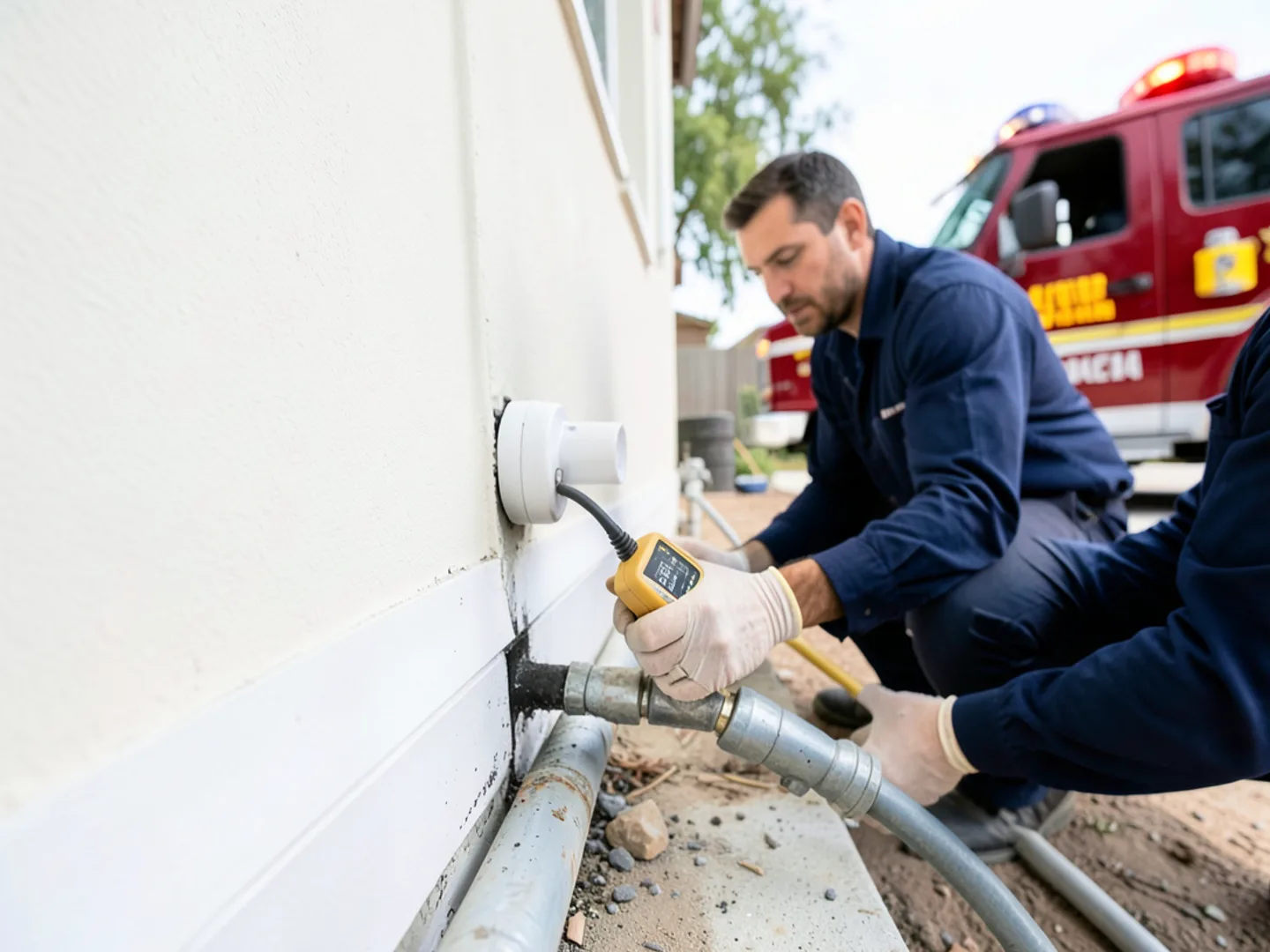
The City of Ontario encompasses approximately 50 square miles at an elevation of 925 feet, home to approximately 187,000 residents in San Bernardino County. Plumbing system failures reflect Ontario's distinct architectural development eras, extreme summer temperatures, and mineral-dense municipal water supply.
Historic Core & Euclid Avenue (1900s–1940s)
Victorian, Craftsman, and Spanish Colonial homes characterized by aging threaded galvanized iron water pipes, lead-soldered joints, cast-iron drain stacks, and mature street tree root intrusion in vitrified clay sewer laterals.
Central & South Ontario Tracts (1950s–1980s)
Post-war and Kaiser Steel-era single-story homes built on slab-on-grade concrete foundations with early copper water lines embedded under slabs, subject to pinhole failure from alkaline soil contact and water hardness.
Ontario Ranch & College Park (2010s–Present)
Modern master-planned communities featuring PEX manifold water networks, high-efficiency tankless water heaters, and pressure-reducing valves managing high municipal pressure surges.
Municipal Water Hardness Context
City of Ontario municipal water quality records report groundwater hardness averaging 138 parts per million (ppm) as calcium carbonate (CaCO₃), with seasonal ranges between 120 and 180 ppm (imported water averages 73 ppm). High calcium and magnesium content causes severe mineral scaling inside water heater tanks, angle stops, and fixture cartridges.
Key Travel Corridors & Landmarks
- Ontario International Airport (ONT)
- Ontario Mills Mall
- Toyota Arena (Citizens Business Bank Arena)
- Historic Euclid Avenue Median & Corridor
- Graber Olive House
- Chaffey College Ontario Campus
- Interstate 10 (San Bernardino Freeway)
- Interstate 15 (Ontario Freeway)
- State Route 60 (Pomona Freeway)
- Vineyard Avenue, Archibald Avenue, and Haven Avenue Corridors
Neighborhoods Served
- Downtown Ontario & Downtown West
- Ontario Ranch
- Guasti Village
- Parkside & Parkside Addition
- College Park
- Armsley Square
- La Deney & Rosewood Court
- Villa El Morado
Preventing Future Plumbing Emergencies
Following a planned maintenance schedule reduces the frequency and severity of sudden plumbing failures:
Semi-Annual Shutoff Valve Exercise
Manually rotate all under-sink angle stops, toilet shutoffs, and main water gate/ball valves one full turn to prevent mineral seizure.
Annual Water Heater Sediment Flush
Drain and flush the water heater storage tank to clear accumulated calcium scale, and inspect the sacrificial magnesium anode rod.
Supply Hose Visual Inspection
Examine flexible stainless steel braided lines feeding washing machines, dishwashers, and toilets for corrosion, bulging, or fraying.
Main Cleanout & Sewer Assessment
Inspect accessible sewer cleanouts for slow drainage, gurgling sounds, or sewer gas odors indicating tree root blockage.
Municipal Water Pressure Test
Attach a screw-on pressure gauge to an exterior hose bib to confirm household pressure remains between 50 and 70 PSI.
Why Contact AVS Plumbing for Emergency Plumber (24/7)?
Navigating an urgent plumbing problem or major home repair requires clear facts and rapid connection with qualified local tradespeople. AVS Plumbing operates an around-the-clock dispatch desk connecting Ontario and West Valley property owners with independent local plumbing contractors.
Our call line is staffed 24 hours a day, 7 days a week to connect you with available independent contractors without delay.
Dispatched contractors present a complete written estimate on site detailing labor, materials, and municipal permits before non-emergency work starts.
Work over $500 requires California C-36 Plumbing registration. We route calls to independent pros verified through state registry standards.
Specialized understanding of Ontario's 138 ppm hard water, slab-on-grade foundation plumbing, and expansive clay soil conditions.
Governing Authority: California Contractors State License Board (CSLB)
California Business and Professions Code requires all plumbing work exceeding $500 in combined labor and materials to be performed by a contractor holding an active C-36 Plumbing Contractor classification and maintaining a mandatory $25,000 surety bond. Property owners should verify contractor registration directly on cslb.ca.gov.
Frequently Asked Questions
Locate and close your main water shutoff valve immediately if it is dry and safely accessible. In most Ontario slab homes, this valve is on an exterior wall near the front hose bib or inside the curbside concrete meter box. Move family members and pets away from standing water near electrical outlets, take photos and videos of the leak for insurance documentation, and call our 24/7 dispatch line at (321) 559-0657.
Get Connected with a Local Emergency Plumber (24/7) Pro
Fast response across Ontario, Rancho Cucamonga, Upland, Chino, Fontana, and the Inland Empire. Free to call, zero obligation.
Call (321) 559-0657